
Happy 10th Birthday, Dear Q
If you have a Q Display on your helm, you are part of a story that started ten years ago with a simple idea: that recreational boating deserved smarter, more intuitive electronics. A product that felt as natural to use as the devices already in your pocket, that stayed connected to your boat even when you were not on it, and that your boat manufacturer could make genuinely their own.
Ten years on, we are taking a moment to look back at where it all started.
The problem that started it all
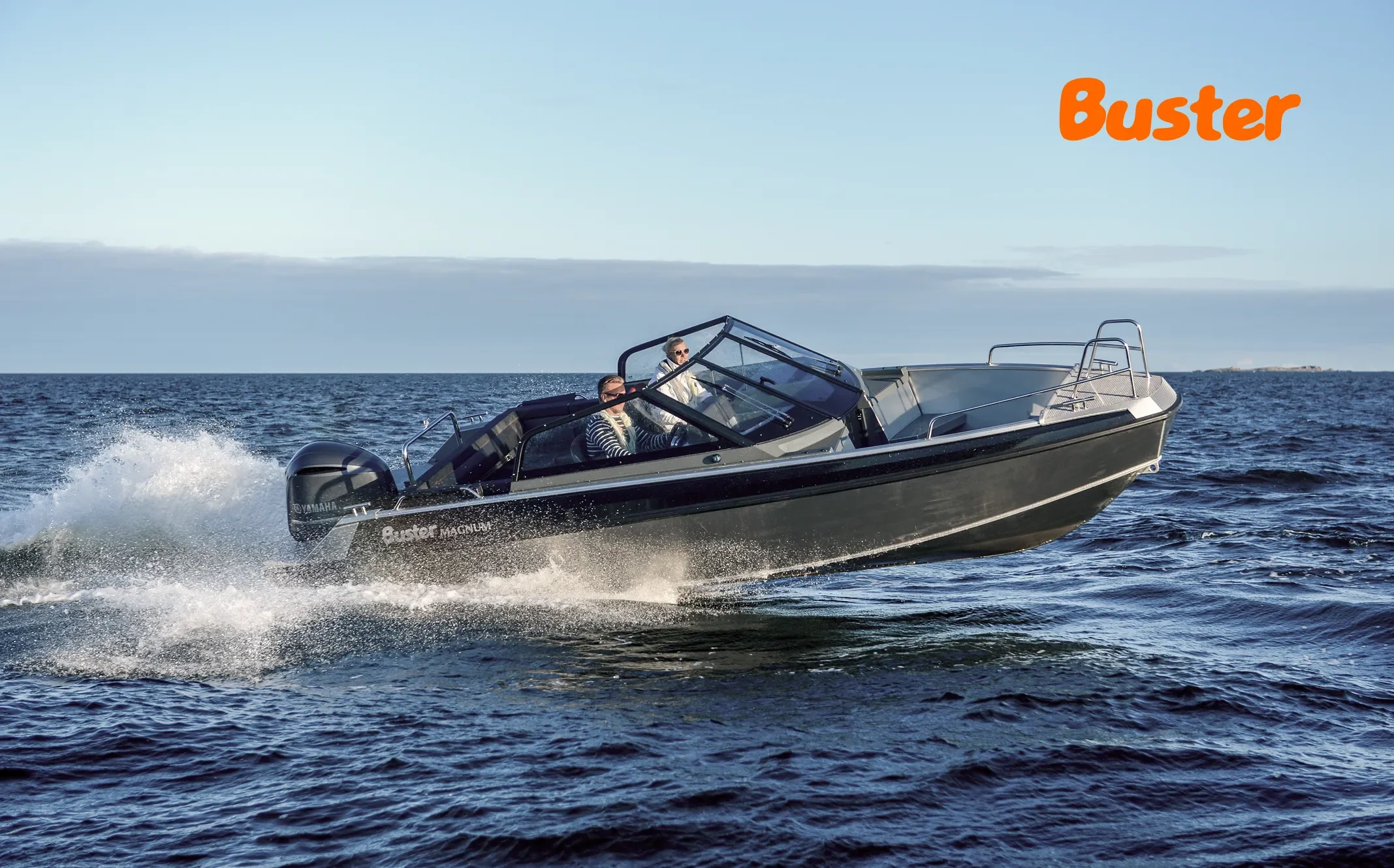
In the mid 2010s, Buster Boats had a clear vision: a chartplotter built for recreational boating that felt as natural to use as the smartphones their customers already had in their pockets. They knew what they wanted. Finding someone willing and able to build it was another matter.
The conversations with established marine electronics manufacturers went nowhere. There was interest, polite engagement, and no follow-through. The big players had their own roadmaps, and a custom solution for one boat brand was not on them.
Juha Lehtola, then CEO of Buster Boats, and Tomi Juhola, then newly appointed Chief Information Officer and today the company's CEO, knew Nextfour from a previous Business Finland Tekes programme. They came with a proposal. Nextfour's answer was not a presentation or a promise. It was a decision to build.
What Q was always meant to be
Nextfour's work until that point had been product development for other companies. This was different: a chance to design and own a product, with a committed partner willing to back it.
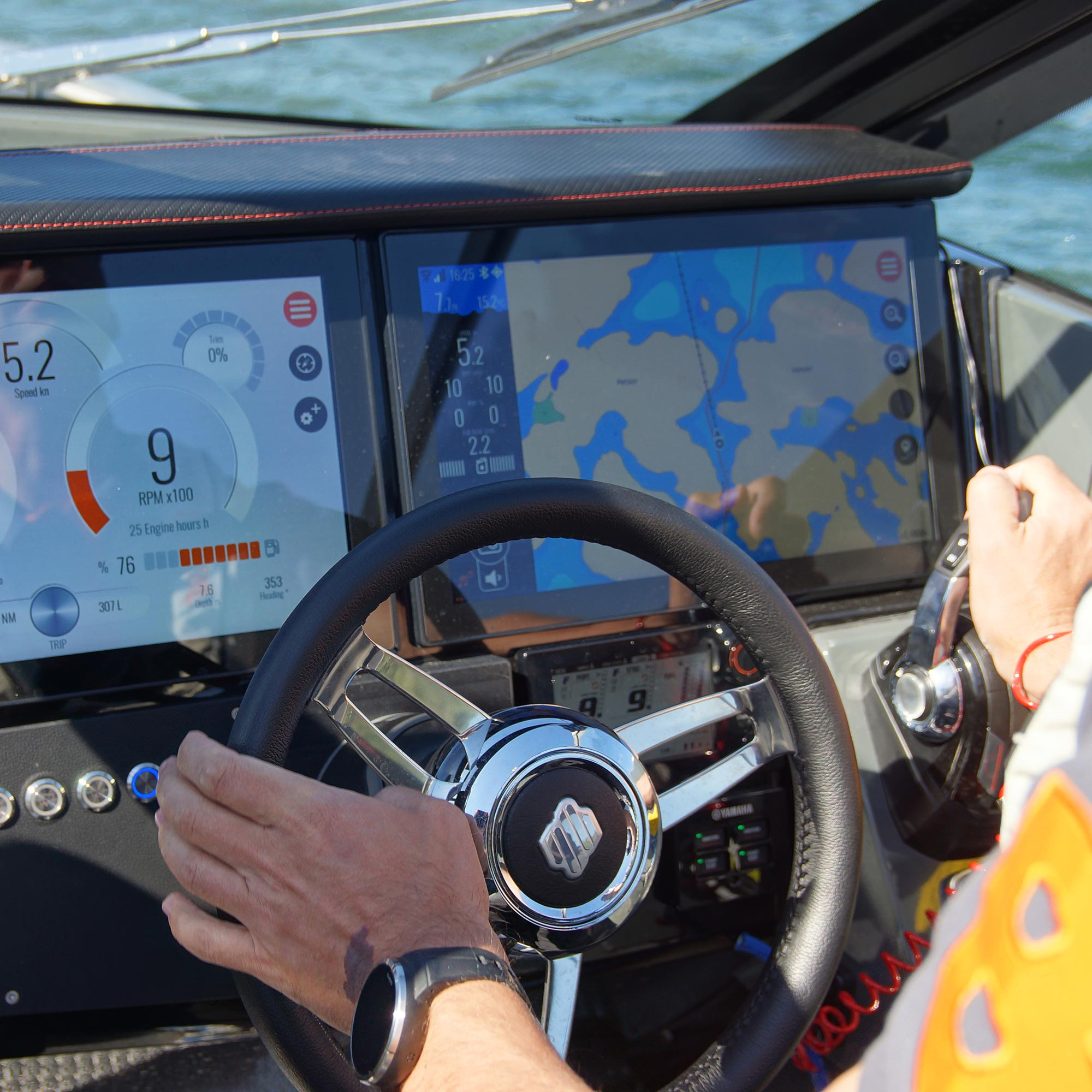
The starting point was a question that sounds simple but wasn't: what should a chartplotter feel like to someone who has never owned one before? The answer shaped everything. The interface had to be intuitive. The connectivity had to be real, not optional. And the product had to be something a boat manufacturer could genuinely call their own, not just a rebadged device.
From day one, Q was built as a fully white-label platform, the way car manufacturers had long integrated technology into their own identity. Built-in LTE connectivity and an integrated amplifier were part of the original design, not additions that came later. The name came from where you might expect: a fictional British quartermaster known for equipping people with exactly what they need, before they know they need it.
Buster committed to an initial order if the product succeeded, along with a period of exclusivity for aluminium hull boats. It was a genuine partnership, with real stakes on both sides.
The launch
In June 2016, Q Display generation 1 was ready. The launch was planned to make an impression. At Finnboat Floating 2016, every Buster boat on show came fitted with the new screen. Nobody in the industry had seen it coming.
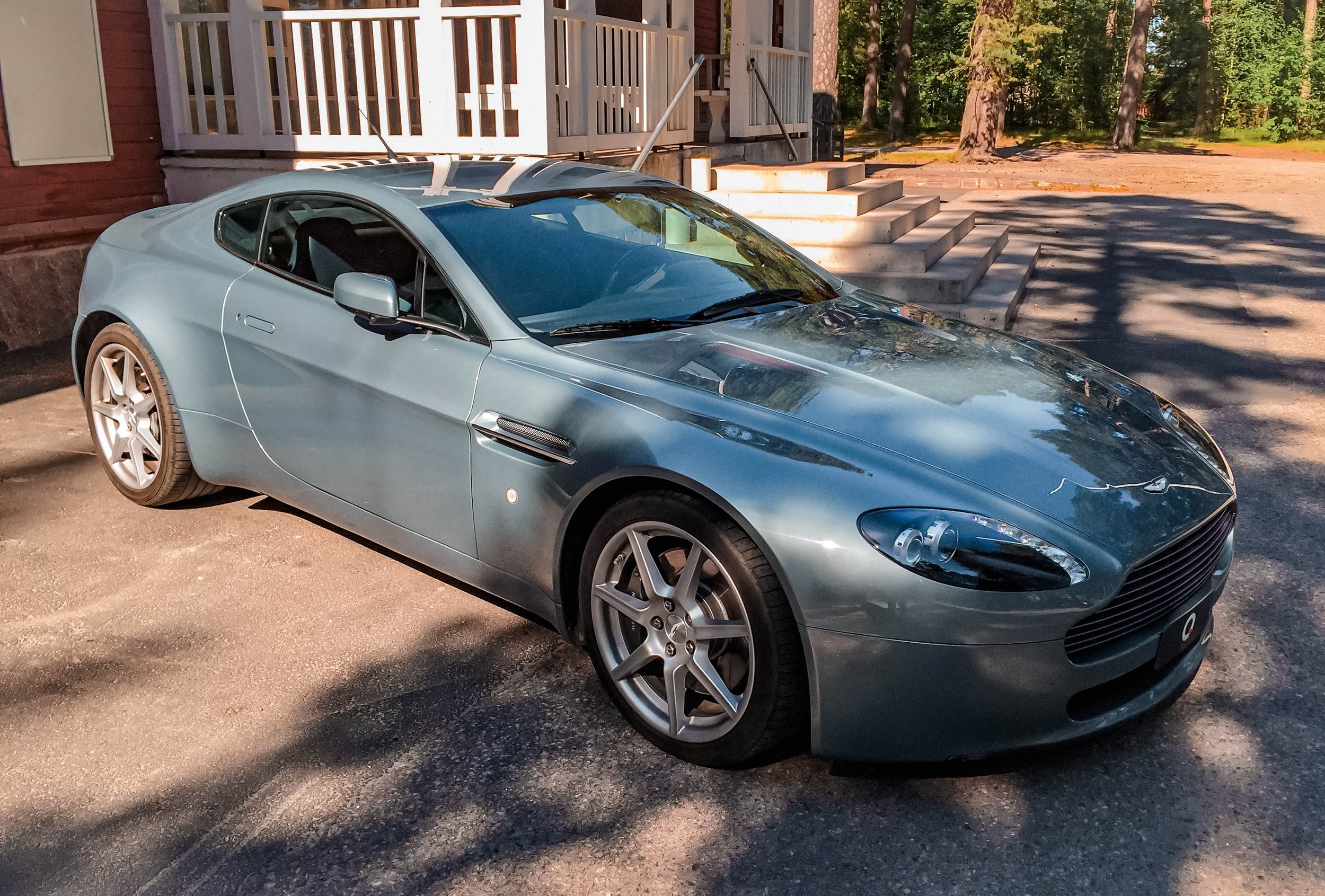
The launch party was something to cherish and remember: a nod to the product's namesake in the form of an Aston Martin on site with Q registration plates, a dinner for guests, and a video book presented by Buster's Director of Products Anders Kurtén introducing the world to Q. The video books, which guests still talk about, brought a touch of Bond-world humour and ingenuity to an industry not known for either. For the marine electronics world, it came out of nowhere. For the people who had spent the previous years building it, it was exactly the moment they had been working toward.

Growing with the right partners
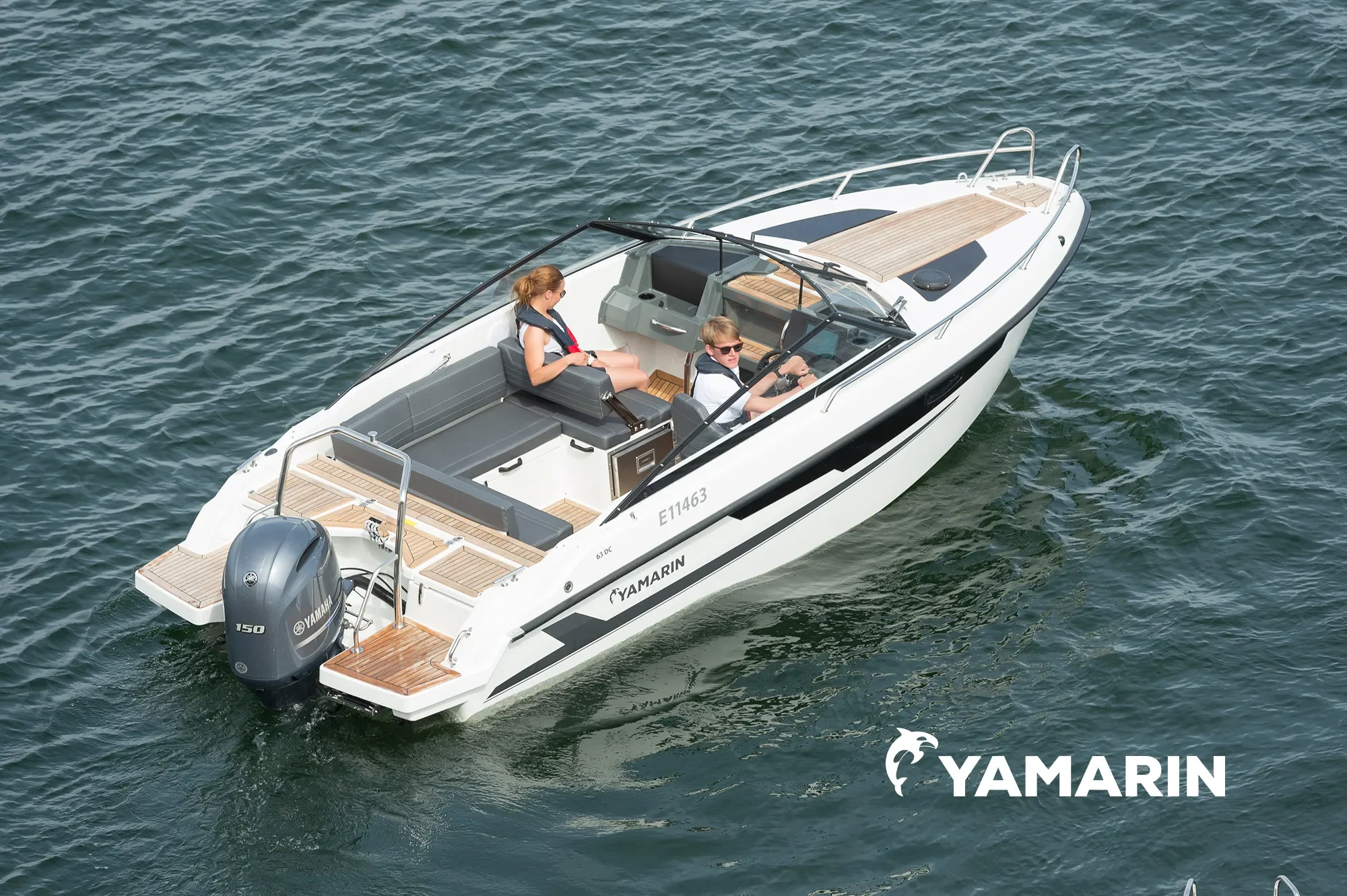
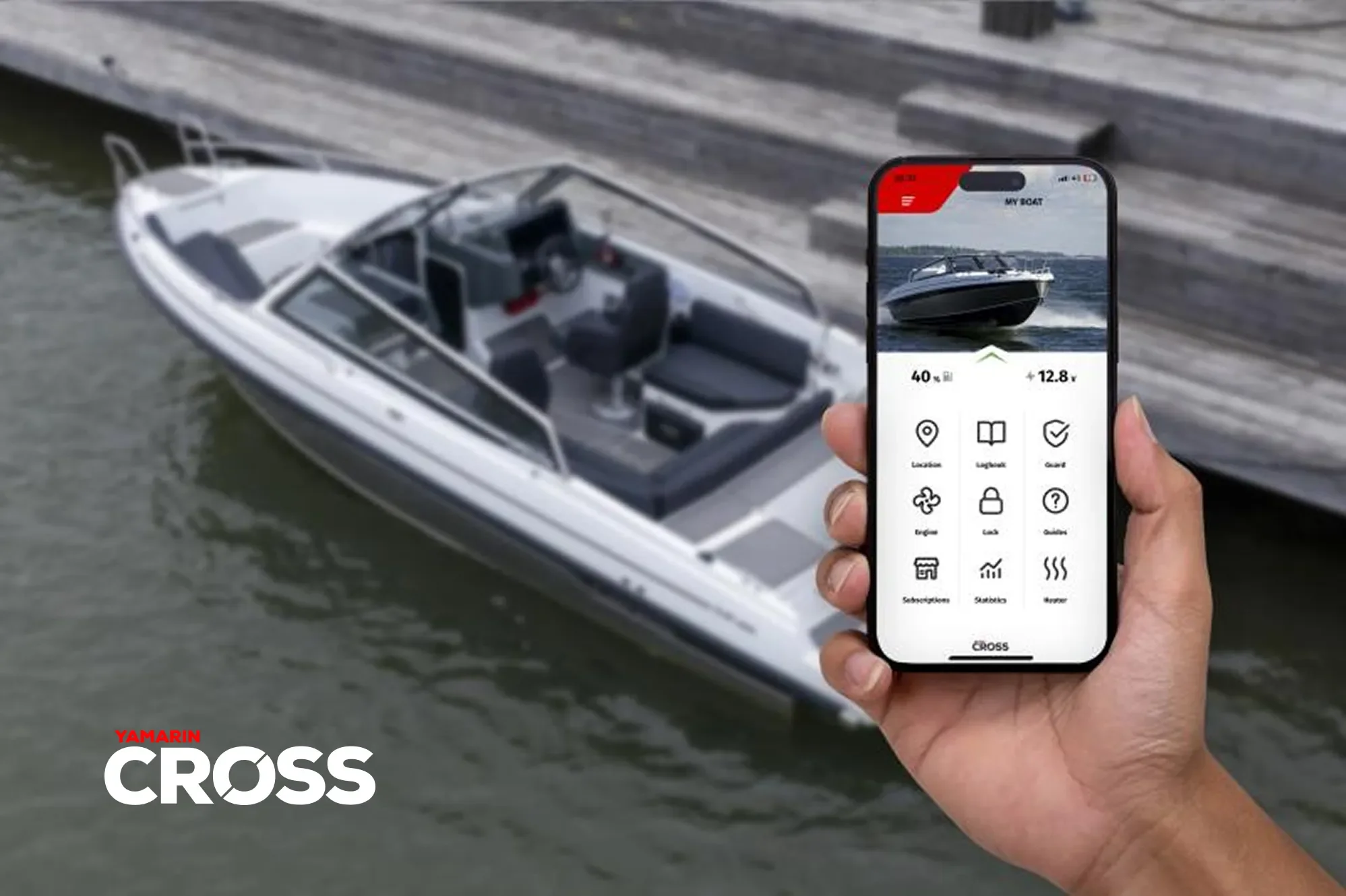
In January 2016, Yamaha acquired Inha Works, the company behind Buster. Later that year, Kesko announced the sale of its Yamarin business to Inha Works, a transaction completed in June 2017. Yamarin Cross followed as part of the same move.
What had started as a product for one boat brand was now standard or available across three of Finland's most recognised names on the water. The product had not changed. The market had simply caught up with what it needed.
Ten years later
Looking back, the things that mattered in 2016 still matter now. Connectivity, ease of use, and the ability to make the product genuinely your own. Those were not features added to make Q competitive. They were the reasons Q existed in the first place.
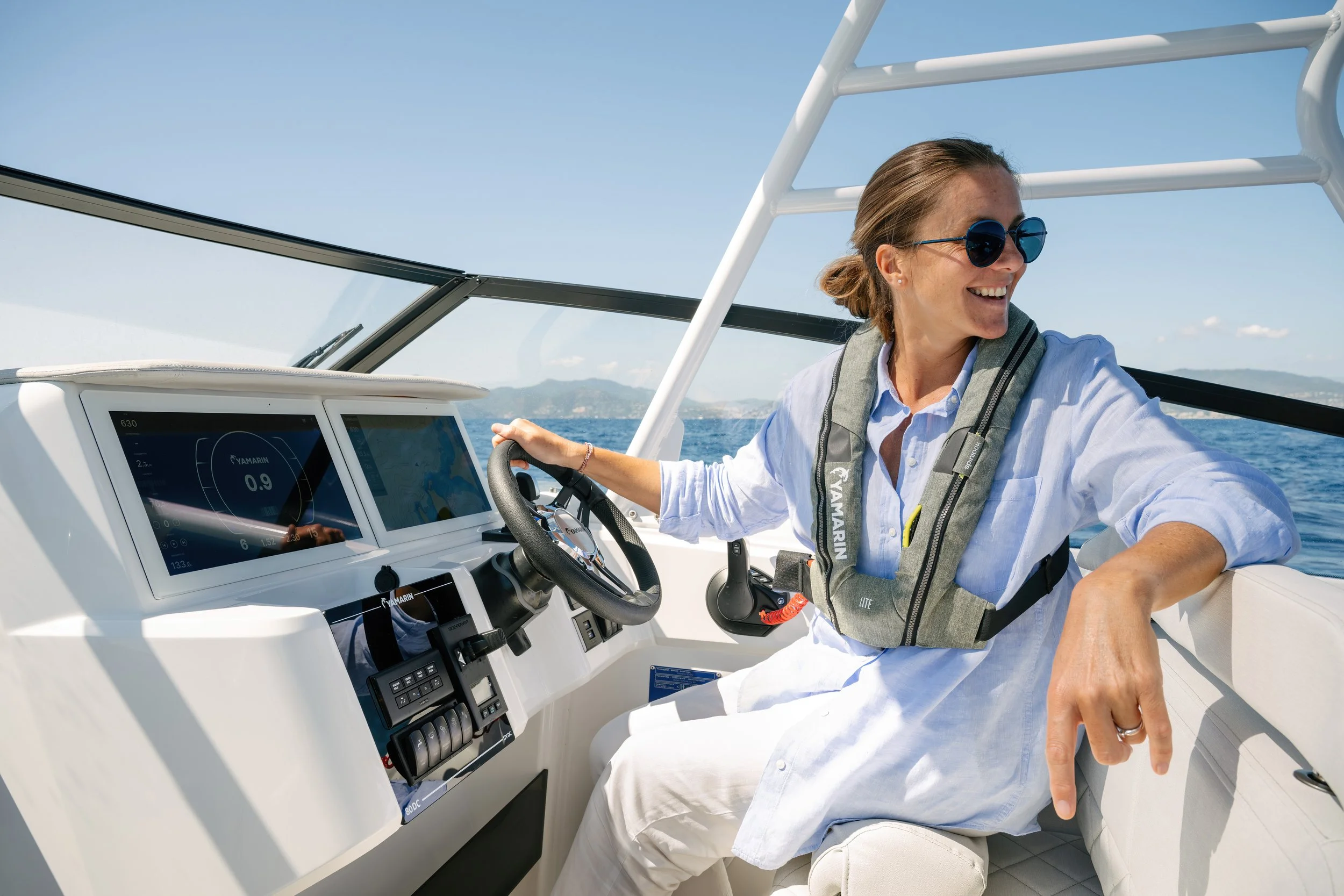
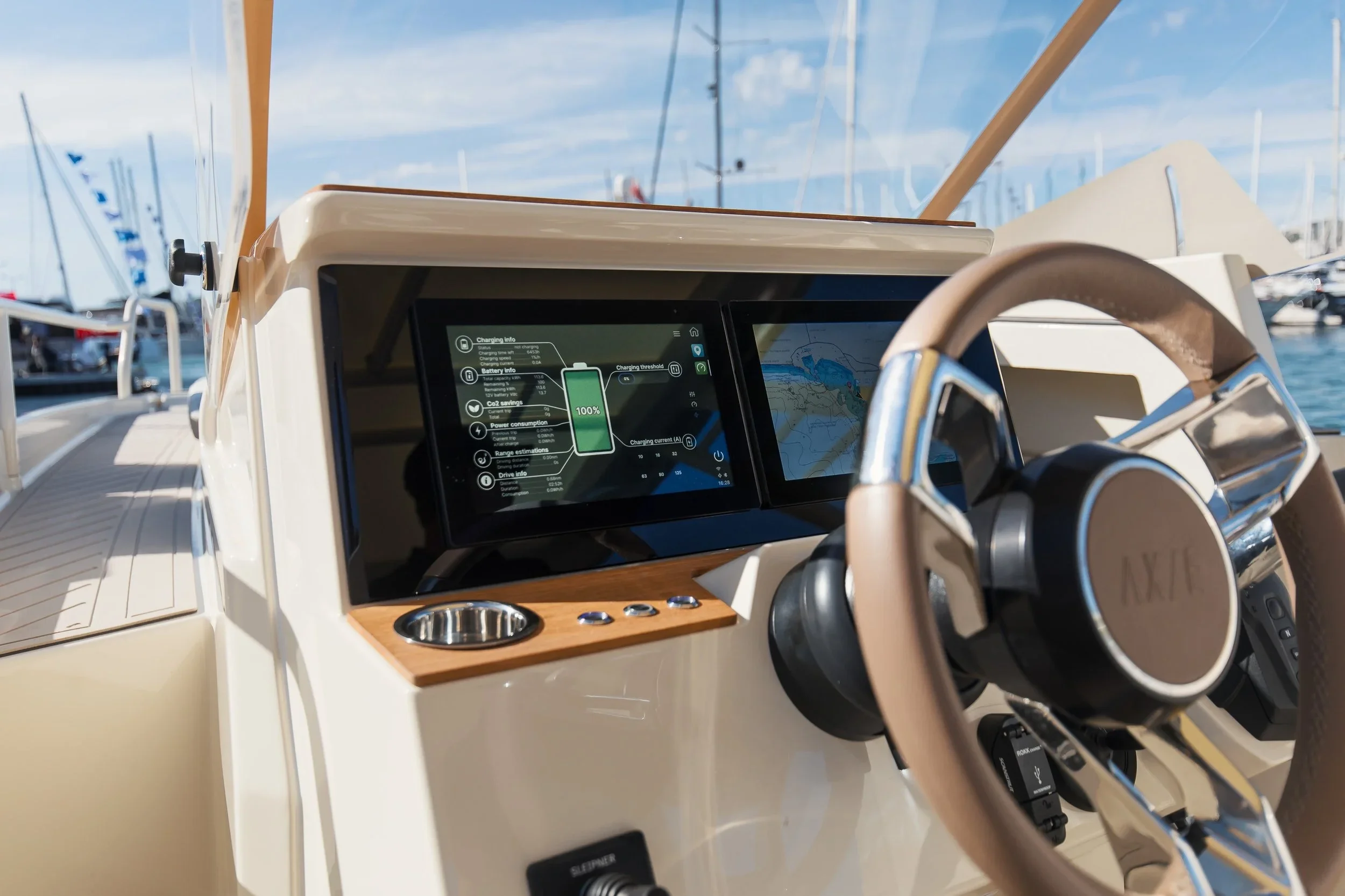
In ten years, the platform has grown considerably. A radically improved second-generation Q Display. Q Display Float, with its floating screen and separate Q Core unit. Recently renewed Q App. Q Guard for remote monitoring and alerts. Q Connected for always-on boat connectivity. Today, Q is available as standard or as an option in over 100 boat models.
The marine electronics market looks different from what it did in 2016. A lot of that is down to Q.
This is just the beginning of the story
Ten years of Q is a milestone for Nextfour, but it belongs equally to every boater who has had a Q Display on their helm, every dealer who has installed one, and every boat manufacturer who trusted the product enough to make it their own.
Over the coming months, we will be sharing stories from the people who have been part of the journey: users, partners, and the team behind the product. If you have been part of the Q story, we would love to hear from you.
